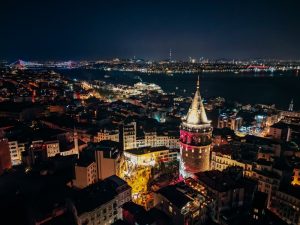
Swissôtel The Bosphorus - Luxury hotel - Lights of Istanbul: Looking at the City from the Bosphorus



Lights of Istanbul: Looking at the City from the Bosphorus
Istanbul is a city that changes with perspective. At street level, it can feel fast, layered, and overwhelming. But when viewed from above, the city begins to settle. Noise softens, distances become clearer, and Istanbul’s complexity reveals a quieter order. In this sense, a view is not merely visual it is a way of understanding the city.
Looking at Istanbul from the Bosphorus offers a more measured experience. It is not about seeing everything, but about sensing the rhythm of the city from a distance. The view does not distract; it refines focus. It allows Istanbul to be observed rather than consumed.
Elevation and Perspective
Height reshapes the relationship with Istanbul. What appears fragmented at street level gains coherence from above. Neighbourhoods connect, roads form patterns, and the Bosphorus shifts from a dividing line to the city’s central axis.
This perspective does not simplify Istanbul it clarifies it. The density remains, but it feels balanced rather than chaotic. The city reveals an internal logic, one that becomes visible only when space is created between the observer and the street.
From elevated points along the Bosphorus, the relationship between the city’s two continents becomes more tangible. Water no longer separates; it unites. The flow between Europe and Asia feels continuous, natural, and deeply embedded in the city’s identity.
Daytime Views: Layers of the City
During the day, Istanbul’s skyline becomes more analytical. Light exposes detail. Historic structures stand beside contemporary architecture, while green spaces soften the city’s edges. This coexistence is one of Istanbul’s most defining characteristics.
The Bosphorus silhouette during daylight hours feels steady and composed. Ferries, bridges, and the shoreline operate as parts of a single composition. Movement exists, but it does not dominate. Instead, the view creates a sense of continuity.
Located at a privileged elevation overlooking the Bosphorus, Swissôtel The Bosphorus offers a vantage point where these layers can be observed clearly. Surrounded by expansive greenery, the city appears framed rather than compressed. From here, Istanbul’s relationship with nature becomes more legible urban, yet balanced.
Sunset: A Moment of Transition
Sunset marks a shift in Istanbul’s visual language. Light softens, colours deepen, and the city pauses briefly between day and night. This is not a spectacle, but a transition one that asks for attention without urgency.
Along the Bosphorus, sunset feels unhurried. As the sun fades, the city does not fall silent; its tone simply changes. Artificial lights begin to emerge, gradually replacing daylight, and Istanbul takes on a cinematic quality.
Watching this transition from above introduces distance without detachment. The view becomes less about aesthetics and more about rhythm a quiet acknowledgement that the day has reached its natural close.
Night and Light: The City’s Quiet Language
At night, Istanbul tells a different story. Details dissolve, and silhouettes take over. Bridges, shorelines, and landmarks are defined by light rather than form. The city communicates not through sound, but through illumination.
The Bosphorus deepens in tone after dark. Water reflects the city’s lights, adding a second layer to the view. These reflections expand the city visually, making it feel broader, calmer, and more composed.
From its elevated position, Swissôtel The Bosphorus offers uninterrupted views of this nocturnal landscape. The city’s noise remains below, leaving behind a clearer, more distilled version of Istanbul. In these moments, looking becomes an act of stillness rather than observation.
Rooftop Culture and Urban Distance
Rooftop culture in Istanbul is not only about elevation it is about distance. Finding the right balance between being within the city and stepping back from it. Rooftops allow for this in-between state.
From above, the city remains present but no longer demanding. Engagement becomes intentional. This is why Istanbul’s view culture is often associated with calm and slowness. Height creates space for thought, for pause, for perspective.
The View as Process, Not Destination
In Istanbul, a view is never static. It changes with light, weather, and time. Even from the same vantage point, the city appears different at each hour. This constant transformation is what makes looking an ongoing experience rather than a single moment.
Viewing Istanbul from the Bosphorus is not a one-time act; it is a habit. One that deepens understanding through repetition. The city reveals itself gradually, rewarding those who return.
Understanding the City from Above
To truly know Istanbul is not to master its every street, but to recognise when to pause. Elevation enables this pause. It allows the city to be seen with clarity and restraint.
Observing Istanbul from Bosphorus-facing points particularly from places like Swissôtel The Bosphorus, centrally located yet elevated above the city’s intensity offers a more composed reading of the city. Istanbul appears simpler, more balanced, and more intelligible.
Sometimes, to experience the city fully, one must walk its streets. At other times, looking from above is enough.
Special Offers
-
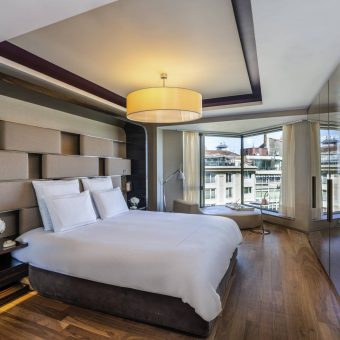
April 23 Accommodation Package
You are invited to a delightful and unforgettable city getaway with your family on April 23 National Sovereignty and Children's Day. This special accommodation package prepared...
Read more -
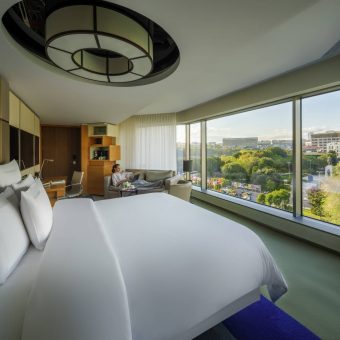
April 23 Sabrosa Brunch-inclusive...
This April 23rd, turn your children's joy and the festive spirit into an unforgettable family story against the backdrop of Istanbul's most iconic view. Swissôtel The...
Read more -
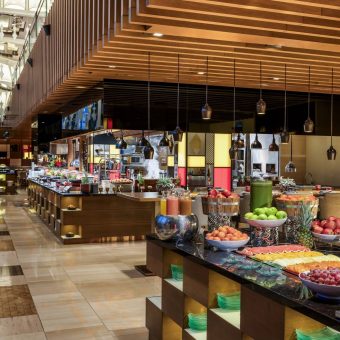
April Exclusive Sunday Brunch Package
You are invited to turn your weekends throughout April into a gastronomic feast in the enchanting atmosphere of the Bosphorus. This special accommodation package, crowned...
Read more